Beyond the Performance: Why Real Emotion Is the Most Powerful Tool Mature Performers Have Right Now
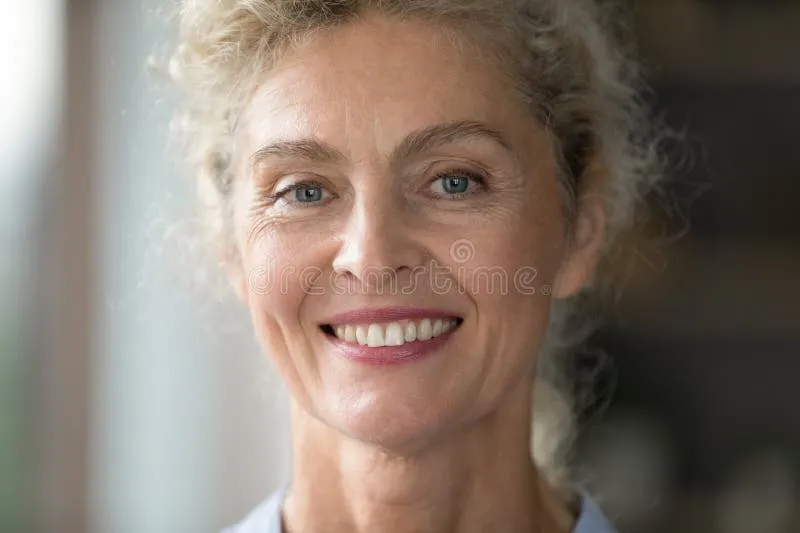
Photo: mature woman smiling naturally candid authentic portrait, via thumbs.dreamstime.com
Scroll through any major adult platform for ten minutes and you'll notice something interesting. Amid the polished thumbnails and carefully curated profiles, there's a certain kind of performer pulling in comment sections full of things like "you remind me of my neighbor" or "I keep coming back because you actually feel like a real person." Nine times out of ten, that performer is older. And that's not a coincidence.
We're living through what some industry watchers are calling the authenticity economy — a cultural shift where audiences across entertainment categories are increasingly allergic to anything that feels manufactured. In adult content, that shift is hitting different. And mature performers, particularly those working in niche spaces like the one GranniesFilmed has built its reputation around, are sitting at the center of it.
The Algorithm Can't Replicate a Real Laugh
Here's the uncomfortable truth about algorithmic content delivery: it's extraordinarily good at getting content in front of eyeballs, but it has absolutely no ability to manufacture the moment when a performer laughs at something genuinely funny mid-scene, or pauses to acknowledge that something didn't go as planned. Those unscripted moments — the ones that would have been edited out of content ten years ago — are now among the most commented-on, most shared, most rewatched clips in mature content categories.
Why? Because they signal something that audiences are starving for: proof that there's an actual human on the other side of the screen.
Psychologists who study parasocial relationships — the one-sided emotional bonds people form with media figures — have long noted that perceived authenticity dramatically accelerates attachment. When a viewer sees a performer handle an awkward moment with grace, or reference a genuine frustration from their week, the brain processes that person as known. Not famous. Known. That's a fundamentally different kind of loyalty, and it's incredibly sticky.
Vulnerability Is a Strategy, Not a Weakness
For a long time, the adult industry operated on a pretty straightforward emotional contract: performers projected fantasy, audiences consumed it, everyone kept their distance. That model still exists, but it's losing ground fast to something messier and more sustainable.
Mature performers who've been in the industry long enough to remember the pre-social-media era often describe a specific turning point — the moment they stopped performing at their audience and started performing with them. That shift frequently involves some degree of vulnerability: talking openly about aging, referencing a health scare, sharing what it actually feels like to navigate intimacy in your fifties or sixties in a culture that mostly pretends you've stopped existing.
This isn't about trauma dumping or manufacturing drama. It's about the strategic deployment of genuine human experience. There's a meaningful difference between those two things, and seasoned performers tend to understand it intuitively.
One approach that's become increasingly common is the "behind the curtain" moment — a brief, unscripted aside before or after content where a performer speaks directly to their audience as themselves rather than as a character. These segments routinely outperform the primary content in terms of comments and saves. That's data worth paying attention to.
Why Emotional Intelligence Gives Mature Performers a Structural Advantage
Let's be direct about something the industry doesn't always want to say out loud: emotional intelligence compounds with age in a way that physical youth simply doesn't. A performer in their late fifties or sixties has decades of navigating complex human dynamics, reading rooms, adjusting tone, and recovering from setbacks. That experience shows up on screen in ways that are genuinely difficult to fake.
Audiences — even audiences who couldn't articulate what they're responding to — pick up on this. The performer who knows exactly when to hold eye contact and when to look away. The one who can acknowledge the inherent absurdity of a situation without breaking the mood entirely. The one who responds to a fan's deeply personal message with something that feels like it was actually read and considered. These are emotional skills, and they're the kind that get sharper over time.
In a content landscape where a twenty-two-year-old with a ring light can generate technically flawless video in an afternoon, emotional depth has become a genuine competitive differentiator. That's a landscape that structurally favors performers with life experience — which is a large part of why niche platforms focused on mature performers aren't just surviving right now. They're growing.
The Manufactured Persona Trap
It's worth spending a moment on what the alternative looks like, because contrast helps clarify the point. Platforms and performers who lean heavily into constructed personas — the perfectly maintained character with the consistent aesthetic and the never-broken fourth wall — do generate audiences. But those audiences tend to be shallower in their engagement and quicker to churn when something shinier comes along.
The manufactured persona is essentially a product. And products get replaced by better products. A genuine human connection, imperfect and inconsistent as it is, operates by completely different rules. It's harder to build and much harder to walk away from.
Mature performers who've built real followings often describe a specific kind of fan interaction that younger performers rarely experience: the longtime subscriber who reaches out during a personal crisis, not for content, but because they feel like they actually know the performer. That's both a responsibility and a testament to what genuine connection can build.
What This Means for the Industry Going Forward
The adult entertainment industry is in the middle of a longer-term reckoning with what audiences actually want versus what the industry assumed they wanted. The answer, increasingly, is realness — not in a reality-TV manufactured sense, but in the deeper sense of encountering another human being's actual presence.
For mature performers and the platforms that showcase them, that's genuinely good news. The content niche that GranniesFilmed has built its identity around — real people, real age, real personality — isn't a workaround for not fitting the traditional industry mold. It's increasingly looking like the model the industry is moving toward.
Authenticity isn't a trend. It's a return to something audiences never stopped wanting. The performers who figured that out early — and the platforms that gave them space to be real — are going to be the ones still standing when the algorithm shifts again.