Set the Stage Right: How Mature Performers Are Using Intimacy Direction to Command Premium Rates and Serious Respect
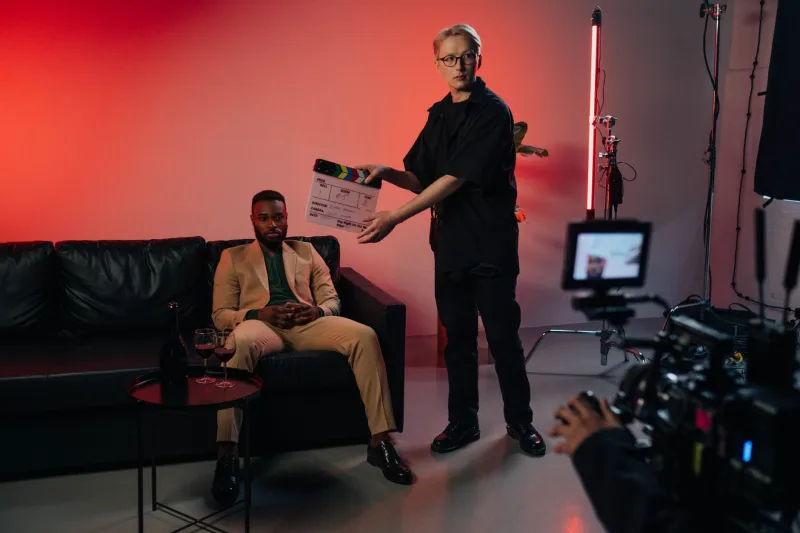
There's a quiet revolution happening on adult sets across the country, and it's being led by the performers who've been around long enough to know exactly what they wish had existed earlier in their careers. Mature performers — the ones with years of experience and zero patience for unnecessary chaos — are importing a practice straight from mainstream film and theater: intimacy direction. And it's changing everything about how professional adult content gets made.
If you haven't heard the term yet, you will. Intimacy directors and coordinators have become standard on major Hollywood productions, TV dramas, and Broadway stages over the last several years. Their job is to choreograph and facilitate any physical or emotionally vulnerable content between performers — making sure everyone understands exactly what's happening, when, and why, before a single camera rolls. Veteran adult performers are looking at that framework and thinking: why didn't we always do this?
What Intimacy Direction Actually Looks Like in Practice
Forget the idea that this is just a formality or a box to check. When intimacy direction principles get applied seriously, the whole production environment shifts. Before a scene starts, there's a real conversation — not a rushed five-minute chat in a hallway — about what each performer is comfortable with, what's off the table, and what the scene actually needs to accomplish. Boundaries get mapped out explicitly. Touch is negotiated in advance. Everyone on set, including crew, understands the scope of what's being filmed.
For mature performers, this kind of structured communication isn't foreign. Many of them have been doing informal versions of this for decades, simply because experience teaches you that assuming anything is a fast track to a bad day. What's new is formalizing it — giving it a name, a process, and a professional framework that producers and directors recognize and respect.
The difference between an informal "we'll figure it out" conversation and a structured pre-scene negotiation is enormous. One leaves room for misunderstanding. The other creates a documented, shared understanding that protects everyone involved.
Why Experienced Performers Are the Ones Driving This
Here's the thing about working with someone who's been in the industry for fifteen or twenty years: they're not easily rattled, they know what they want, and they're absolutely not going to let a disorganized set waste their time. Mature performers have seen the full spectrum of how productions can run — from tight, professional operations to complete disasters — and they've developed strong opinions about which environment produces better work.
When a veteran performer walks onto a set and starts asking structured questions about scene parameters, discussing boundaries openly, and requesting that everyone agree on terms before filming begins, it doesn't come across as difficult or demanding. It comes across as professional. And younger performers and crew members notice. They often follow the lead of the most experienced person in the room.
This is one of the less-discussed ways that mature talent shapes industry culture. They model what professional behavior looks like. When that modeling includes clear communication practices around consent and physical boundaries, it raises the floor for everyone.
The Business Case Is Undeniable
Let's talk money, because this isn't just about creating a nicer work environment — though that matters. Performers who operate with clear professional protocols are increasingly sought after by the segment of the market that pays the most: higher-budget independent productions, subscription platforms with quality standards, and content buyers who've been burned by amateur productions that fell apart mid-shoot.
Producers who've worked with performers trained in or committed to intimacy coordination practices consistently report smoother shoots, fewer on-set conflicts, and better final footage. When everyone knows exactly what they've agreed to and feels genuinely comfortable, the performance quality reflects that. Audiences notice, even if they can't articulate why. There's a difference between content where the performers are present and engaged versus content where someone looks like they're mentally checking out.
For mature performers building an independent brand or pitching themselves to premium studios, the ability to say "I work with clear pre-scene agreements and professional communication protocols" is a genuine differentiator. It signals reliability. It signals that a production involving them won't blow up over a miscommunication. That's worth real money to anyone who's dealt with the alternative.
Breaking Down the "It Kills the Spontaneity" Myth
The most common pushback against structured communication practices in adult entertainment is that it makes things feel clinical or kills the natural chemistry between performers. It's a fair concern on the surface, but experienced performers will tell you it's backwards.
Knowing exactly what you've agreed to — and knowing your scene partner is equally clear — actually frees you up to be more present and more authentic during filming. The mental energy that would otherwise go toward uncertainty, second-guessing, or managing unexpected moments gets redirected into the actual performance. Veteran performers understand this intuitively because they've experienced both scenarios.
Intimacy direction doesn't script chemistry. It creates the conditions where genuine chemistry can happen without anyone feeling blindsided or uncomfortable. That's not clinical — that's smart.
What This Looks Like for Independent Creators
Not every mature performer is working on a structured studio set. A lot of the most successful ones are running their own operations — filming their own content, managing their own platforms, occasionally collaborating with other independent creators. Intimacy direction principles apply here too, maybe even more importantly.
When you're working with a collaborator outside a formal studio structure, there's no HR department, no built-in oversight, no default framework. Creating your own version of that framework — having a real conversation before any filming starts, putting agreed-upon parameters in writing if needed, checking in during and after — is both professionally responsible and personally protective.
Mature performers who've built strong collaborative networks often credit clear communication as the foundation of those relationships. When other creators know that working with you means a structured, respectful process, they're more likely to reach out, more likely to bring their best work, and more likely to come back for future projects.
The Bigger Picture
What's happening here is part of a broader professionalization of adult entertainment that mature performers are actively driving. The old model — where unclear expectations and on-the-fly decision-making were just accepted as part of the job — is being replaced by something that looks a lot more like how other performance industries operate.
Veteran performers are the ones with the credibility and the experience to make that shift stick. When someone with twenty years in the industry says "this is how a professional set runs," people listen. And as more productions adopt these practices, the performers who've been advocating for them all along look increasingly ahead of the curve.
For anyone building a long-term career in mature adult content, the message is pretty clear: the performers commanding the best rates and the most respect right now aren't just talented. They're running their work like a business, communicating like professionals, and treating every set — whether it's a major studio or a home setup — like it deserves a real standard of care. That's the intimacy direction effect, and it's not going anywhere.