Sound Check, Paycheck: How Mature Performers Are Turning Voice Into Revenue

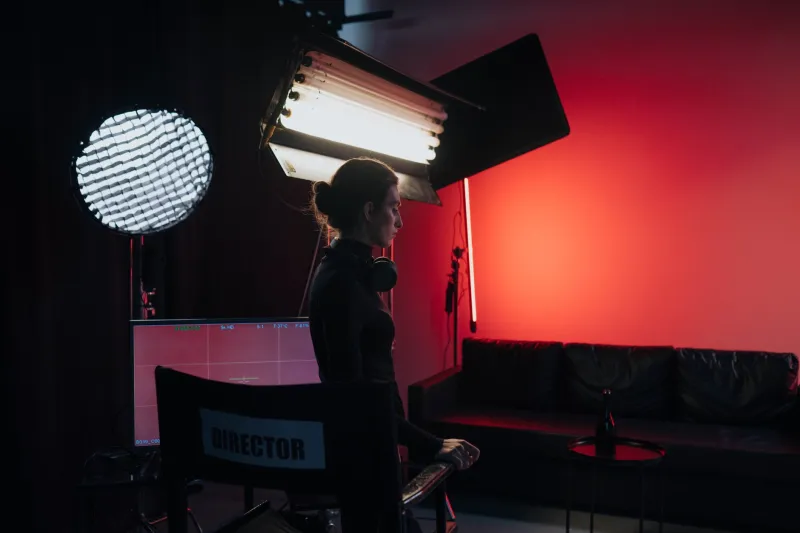
Photo: Giles Laurent, CC BY-SA 4.0, via Wikimedia Commons
Ask ten people what a veteran performer's biggest asset is and you will get ten answers about presence, confidence, eye contact, the way she holds a room. All true. But there is one asset that gets almost zero press and performs like crazy on a cost-per-hour basis: the voice.
Audio-first adult content has been compounding quietly for a few years, and in 2026 it is one of the few lanes where a performer can launch from a spare bedroom with a $99 microphone and be filling paid orders inside a week. No lighting rig. No scene partner. No three-hour glam block. Just you, an outline, and an audience that has decided your voice is the thing they want in their headphones at 11 p.m.
The kicker is that audio rewards exactly what takes decades to build and cannot be faked by someone with a ring light and a script. Pacing. Comfort with silence. The ability to sound like a person instead of a performance.
The format menu, priced out
There are five lanes worth knowing, and they are not mutually exclusive.
Subscription audio feeds. A private podcast feed behind a paywall, delivered weekly. Fans pay $5 to $12 a month through a membership platform that takes roughly 5 to 20 percent depending on the tier you pick. This is the most predictable money in the category because it is recurring and it does not depend on the algorithm showing up for you.
Audio erotica platforms. These apps and sites pay per play or on a revenue share, and they actively recruit established voices. Payouts per play are small, but the discovery is real, and the audience skews toward people who would never have found you on a video site.
Paywalled serialized storytelling. Chaptered, narrative, character-driven. Think of it as a radio drama with your name on it. Longer production time, higher perceived value, and fans who get genuinely invested instead of just passing through.
Custom audio. Personalized voice notes and recorded requests, sold by the minute. This is the highest-margin product on the list and the one most performers underprice.
Non-explicit comfort and sleep audio. No sex at all. Just your voice, low and steady, reading a story or talking someone down from a bad day. This is the sleeper hit of the whole category and it converts video fans who were never going to buy anything explicit from you in the first place.
What the gear actually costs
This is the part where people assume there is a catch. There is not. A workable setup:
- USB condenser microphone: $70 to $120 (a Samson Q2U or Audio-Technica ATR2100x will do everything you need for the first year)
- Foam windscreen and a pop filter: $15 to $25
- Moving blankets or a folding vocal booth to kill room echo: $40 to $120
- Editing software: Audacity is free; Reaper is $60 for a personal license
- Hosting and delivery: $0 to $20 a month on a private RSS feed; more if you use a membership platform's built-in player
- Business filing, if you go the LLC route: $50 to $300 depending on the state
Total to start from zero: under $300 in most cases. If you already own a laptop and a closet full of hanging clothes, you can shave that to about $120. The clothes are the acoustic treatment. That is not a joke.
Pricing that respects your time
Subscription tiers work best in three steps: a $5 entry tier for the weekly feed, a $10 to $12 tier with extras like early access and a monthly long-form piece, and a $25 to $40 tier for people who want to be acknowledged. Roughly one in ten subscribers will take the middle tier if you describe it clearly, and a small handful will take the top one every month.
Custom audio should be priced by the minute with a minimum. Three to six dollars per finished minute with a five-minute floor is the range most experienced performers land in, and it is defensible because the buyer is paying for your voice specifically, not for studio time. Bundle five minutes of custom into your top subscription tier instead of discounting it. Discounting custom audio teaches your best customers that your time is negotiable.
Where the audience actually comes from
Here is the part that makes audio different from launching a new video brand: you are not starting from zero if you already have fans. Announce a free three-minute sample to your existing list, gate the rest, and watch what happens. Performers who do this consistently report that somewhere between 10 and 25 percent of their top-spending video fans will follow them into an audio product, because the ask is smaller and the setting is more intimate.
The overlap goes both ways, too. Audio platform listeners who would never pay for video will often buy a subscription once they have heard your voice for a month. It is a different door into the same house.
The unglamorous parts
Audio-only work sits in a different compliance lane than filmed content, since there is no visual depiction, but that does not mean the rules disappear. Platform terms, ID verification requirements, and your own record-keeping obligations still apply, and they vary by where you host. Read the terms of every platform you upload to, keep your paperwork current, and run anything unusual past your own attorney rather than a forum thread.
Also: back up everything twice. Losing three months of unreleased episodes to a dead hard drive is a uniquely miserable experience and it happens to somebody every week.
A reasonable first month
Week one: buy the mic, record a five-minute sample, listen back with headphones and fix the echo before you fix anything else. Week two: post the sample free, open a $5 tier, announce it to your existing audience. Week three: record two more episodes and open custom bookings with a five-minute minimum. Week four: look at what sold.
That is the whole entry point. The microphone is cheap, the audience already trusts you, and nobody can copy the way you sound.