Your Story Is Your Brand: How Mature Performers Are Turning Life Experience Into Unstoppable Fan Loyalty
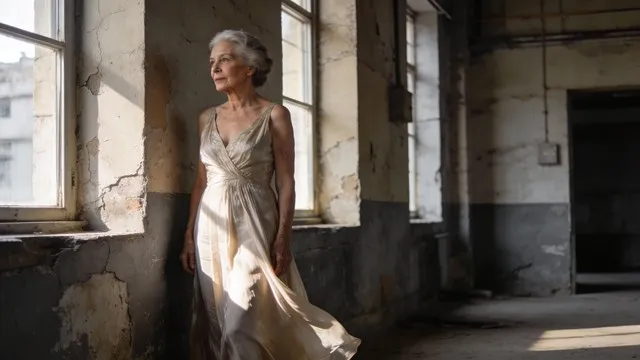
Photo: confident mature woman storytelling authentic portrait warm lighting, via images.stockcake.com
There's no shortage of content out there. Scroll through any platform on any given Tuesday and you'll drown in it. So what actually makes someone stop, subscribe, and stick around? More and more, the answer isn't the content itself — it's the person behind it. And for mature performers, that person usually comes with a story worth telling.
At GranniesFilmed, we've watched this play out over and over. The performers building the most loyal audiences aren't necessarily the ones with the slickest production or the most aggressive posting schedules. They're the ones who've figured out how to let their real life — the messy, complicated, interesting real life — do some of the marketing heavy lifting.
Why Audiences Are Hungry for the Real Thing
Let's be honest about what's happening culturally right now. American audiences are burned out on polished. Reality TV taught a generation to sniff out fake authenticity from a mile away, and social media has only sharpened that instinct. People want to feel like they're connecting with someone real, someone whose existence extends beyond the camera frame.
For younger performers, manufacturing that sense of realness takes serious effort. For mature performers, it's often already there — baked into decades of lived experience. A 50-something performer who came to the industry after raising kids, surviving a divorce, or pivoting from a completely different career doesn't have to work hard to seem interesting. They are interesting. The challenge is learning to share that story strategically.
Psychologists who study parasocial relationships — the one-sided emotional bonds fans form with public figures — consistently find that perceived authenticity is the single biggest driver of deep fan attachment. When someone shares a genuine origin story, complete with vulnerability and real stakes, audiences don't just watch. They invest.
The Anatomy of a Compelling Origin Story
Not every life story translates automatically into great marketing copy. The performers who do this well understand a few key principles about narrative structure.
Start with the tension. The most compelling stories aren't "I decided to do this and it was great." They involve some form of conflict — a crossroads, a reinvention, a decision that felt risky. Maybe you entered the industry after a major life transition. Maybe you spent years dismissing it before something shifted your perspective. Whatever the turning point was, that's where your story gets interesting. Lean into it.
Be specific, not vague. Generic backstories don't land. "I wanted to feel empowered" is forgettable. "I was 54, freshly out of a 20-year marriage, and I decided I was done living by other people's rules" is something a person can hold onto. Specific details create emotional anchors that audiences remember and return to.
Show the evolution. Origin stories aren't just about where you started — they're about the arc. Where were you, where are you now, and what did the journey actually look like? Performers who document their growth over time give fans a reason to stay engaged. You're not just selling content; you're selling a continuing story that fans feel part of.
Where and How to Share It
The story itself is only half the equation. Delivery matters enormously, and different platforms call for different approaches.
Long-form written content — whether that's a blog, a newsletter, or a detailed bio on your subscription platform — gives you room to breathe. This is where you can really unpack the nuance of your journey. Fans who seek this out are already your most engaged audience, and feeding them depth builds serious loyalty.
Short video clips and social content work better for distilling key moments from your story into digestible, shareable pieces. A 60-second clip where you talk candidly about why you got into the industry — no script, no heavy production — can perform remarkably well precisely because it feels unguarded.
Fan Q&A sessions are underrated as a storytelling vehicle. When fans ask the questions, they're telling you what parts of your story they're most curious about. Let that guide you. Some of the most authentic narrative content gets created in response to genuine audience curiosity rather than pre-planned marketing.
Consistency matters more than frequency. You don't need to share everything at once or post every day. What you do need is to revisit your story periodically — referencing milestones, reflecting on how your perspective has changed, connecting current content back to the larger narrative arc of your career.
Handling the Complicated Parts
Here's where a lot of performers hesitate: what about the parts of the story that are messy, private, or potentially polarizing? This is a real tension, and there's no one-size-fits-all answer.
The good news is that you don't have to share everything to share authentically. Authenticity isn't the same as total disclosure. What audiences respond to is the feeling of honesty — the sense that you're not performing a persona but actually letting them see something real. You can be genuinely open about your experience without handing over every detail of your private life.
Some performers choose to share family dynamics in broad strokes without naming names. Others talk openly about past careers without getting into specifics that could create professional complications. The key is deciding in advance what's in bounds and what isn't, and then being consistent. Audiences pick up on inconsistency fast, and nothing undermines the authenticity of a narrative faster than feeling like the story keeps changing.
Turning Story Into Sustainable Business
All of this connects to something practical: fan retention. Acquiring new fans is expensive in terms of time, energy, and marketing spend. Keeping existing fans engaged is where sustainable income actually comes from. And story is one of the most powerful retention tools available.
When a fan feels emotionally invested in your journey, they're not just a content consumer — they're a stakeholder in how the story continues. They want to see what happens next. That psychological dynamic is worth a lot more than any promotional discount or posting frequency hack.
Mature performers who have already lived a rich, complicated, interesting life are sitting on a goldmine of narrative material. The competitive advantage is real. The only question is whether you're using it.
Your story didn't start when you entered this industry. It started long before that — and that's exactly what makes it worth telling.