Presence Over Performance: How Experienced Performers Use Psychology to Own the Camera
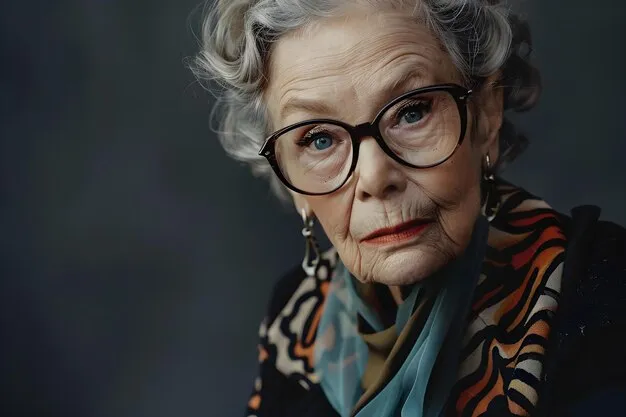
Photo: confident mature woman direct eye contact camera portrait studio, via img.freepik.com
You can spot it within the first few seconds. One performer walks into frame and the room — or in this case, the screen — shifts. Not because of what they're doing, but because of what they're projecting. That quality, that almost magnetic pull, isn't something you're born with. It's something you earn. And in the world of mature adult entertainment, it's one of the most underrated competitive advantages in the game.
At GranniesFilmed, we've watched this play out time and again. The performers who consistently build the deepest fan loyalty aren't always the ones with the slickest production setups or the most elaborate content. They're the ones who understand — on a gut level — what it means to truly be seen on camera, and how to make the person watching feel like they're the only one in the room.
Why Age Changes Everything About Camera Presence
Younger performers often approach the camera as something to perform for. Experienced performers treat it as something to perform through. That's not a small distinction — it's the whole ballgame.
When you've spent years navigating real human relationships, reading a room, picking up on unspoken cues, that emotional intelligence doesn't vanish when you step in front of a lens. It transfers. Mature performers bring a lifetime of interpersonal awareness into their work, and viewers feel it even if they can't name what they're responding to.
There's also the confidence factor. Self-consciousness is the enemy of presence. And self-consciousness tends to diminish with age, not increase. A performer in their 50s or 60s who has made peace with their body, their desires, and their identity carries themselves differently. That ease reads as authority on camera. It reads as invitation.
The Eye Contact Variable
Ask any experienced performer what separates a forgettable clip from one that gets saved, shared, and rewatched — and eye contact almost always comes up.
Direct, sustained eye contact through the camera lens creates a psychological phenomenon called parasocial intimacy. Viewers begin to feel a personal connection to the performer, even though they're watching a recording. This is the same mechanism that makes people feel like their favorite podcast host is talking directly to them. It's powerful, and mature performers have often figured it out through trial and error long before anyone handed them a tutorial.
The trick isn't just looking at the camera — it's looking through it. Imagining a specific person on the other side. Directing genuine warmth, curiosity, or desire toward that imagined viewer. That intention registers. Audiences are remarkably good at detecting when a performer is going through the motions versus when they're genuinely present, and the camera picks up everything.
Spatial Awareness as a Psychological Tool
Where you position yourself in the frame matters more than most people realize. Experienced performers develop an almost intuitive sense of how to use space — how close to get to the lens, when to pull back, how to use the edges of the frame to create tension or release.
This isn't just aesthetic. It's psychological. Moving toward the camera mimics the physical act of leaning in during conversation — it signals intimacy, urgency, connection. Pulling back creates breathing room, invites the viewer to follow. Mature performers who've spent years reading physical and emotional cues in real-world interactions tend to bring that same spatial intelligence into their content without even thinking about it.
There's also the question of stillness. Newer performers often feel like they need to be constantly moving, constantly doing. Experienced performers know that a held gaze, a deliberate pause, a moment of genuine stillness can be more arresting than any amount of choreographed action. Stillness communicates control. And control is inherently compelling to watch.
Reading the Room You Can't See
Here's where things get genuinely interesting. The best mature performers have developed the ability to anticipate audience response without real-time feedback. They've internalized enough viewer behavior — through fan messages, comments, subscription patterns, direct conversations — that they can essentially simulate the audience in their own head while filming.
This is a sophisticated psychological skill. It means they're not just performing; they're calibrating. Adjusting pacing, tone, intensity based on a deeply informed mental model of what their specific fanbase wants at any given moment in a scene. That's not guesswork. That's experience converted into creative intelligence.
For performers on platforms where fan interaction is part of the model, this calibration becomes even more refined over time. Every piece of feedback is data. Every repeated request is a signal. Mature performers who pay attention build a remarkably accurate internal map of their audience's psychology — and they use it.
The Authenticity Multiplier
All of this comes back to something that can't be faked: authenticity. Viewers in the adult space are, frankly, sophisticated consumers. They've seen a lot. They know the difference between someone who is genuinely enjoying themselves and someone who is performing enjoyment. They know when the curiosity is real and when it's manufactured.
Mature performers, particularly those who have worked through the self-consciousness that often plagues earlier career stages, tend to bring a level of genuine presence that younger performers are still working toward. Their pleasure is real. Their confidence is real. Their engagement is real. And that reality is, ultimately, the most powerful psychological tool any performer can bring to the camera.
It's not about looking a certain way or hitting certain marks. It's about being genuinely, unmistakably there — in the moment, in the frame, with the viewer. That's what keeps people coming back. That's what builds the kind of fan loyalty that sustains a long career.
At GranniesFilmed, we see this every day. The performers who master the psychology of being watched aren't doing something mysterious. They're doing something deeply human — connecting, with intention, through whatever medium they have available. The camera just happens to be in the way.