Tuned In: How Veteran Performers Decode the Room Mid-Scene and Keep Fans Hooked
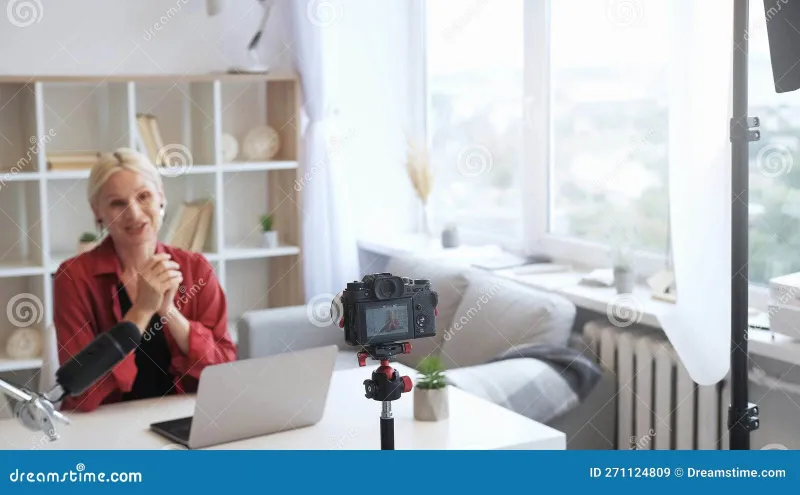
Photo: mature woman confident live streaming webcam setup home studio, via thumbs.dreamstime.com
There's a reason some performers can go live with minimal setup and still walk away with record tips, new subscribers, and a comment section full of people begging for more. It's not luck. It's not just a great body or a perfectly lit ring light. It's something harder to package and sell—an almost instinctive ability to read what's happening in real time and pivot before the energy in the room goes flat.
For mature performers, this skill tends to be even sharper. Years of life experience—reading people in relationships, workplaces, social situations—translate directly into a kind of audience intelligence that younger creators are still trying to develop. The camera doesn't lie, and neither does a live chat that's suddenly gone quiet.
The Chat Is a Conversation, Not a Ticker Tape
New performers often treat the chat window like background noise—something to glance at between takes or scroll through after a session ends. Veteran creators know better. The chat is live feedback, and it's talking to you constantly.
Pay attention to the pace of messages first. A fast-scrolling chat means engagement is high—people are reacting, not just watching. When that pace slows down, something shifted. Maybe the energy dipped, maybe the content hit a lull, or maybe you moved away from whatever topic or action was generating heat a few minutes ago.
Keyword spikes matter too. If the same word or phrase starts popping up from multiple viewers in a short window—a specific request, a compliment about something particular, a callback to something you said—that's a signal. Lean into it. Acknowledge it out loud. The viewers who typed it will feel seen, and the ones who hadn't thought to ask will suddenly be curious.
Don't overlook the silence, either. A chat that goes completely still mid-session isn't always a bad sign—sometimes it means people are locked in, genuinely absorbed. Learn to tell the difference between "everyone left" quiet and "nobody wants to break the spell" quiet. One calls for a reset; the other calls for you to keep doing exactly what you're doing.
Body Language—Even Through a Screen
For performers doing duo work, collaborations, or shoots with a live partner, reading body language is just as critical as reading the chat. And honestly, even in solo work, your own body language is broadcasting information to your audience every second.
Veteran performers describe it as a kind of physical awareness—noticing when your own energy is starting to flag before the audience does, and finding a way to recalibrate. A shift in posture, a change in tone of voice, direct eye contact with the camera lens instead of the screen—these micro-adjustments reset the dynamic without breaking the flow.
With a partner, the cues are more obvious. Hesitation, shortened responses, a slight physical pull-back—these aren't just interpersonal signals, they're performance signals. Experienced performers catch them early and adjust the scene's direction before the tension becomes visible to the audience.
This is one of the places where age and experience create a genuine advantage. Reading people is a skill that compounds over decades. A performer in their 50s or 60s who has spent a lifetime navigating complex social dynamics brings that whole toolkit into every session.
Metrics as a Feedback Loop, Not Just a Report Card
Real-time data isn't just for tech bros and marketing teams. Platforms like OnlyFans, Fansly, and Chaturbate all surface live metrics—viewer counts, tip alerts, reaction data—that savvy performers use as a running performance gauge.
A sudden tip spike usually means you just did something right. Note exactly what you were doing in that moment. Was it something you said? A specific action? A callback to something a regular fan mentioned? That moment is worth recreating—not copying verbatim, but understanding the underlying element that triggered it.
Viewer drop-offs tell a different story. If your count takes a visible dip at a specific point in a session, that's worth tracking across multiple performances. Is it happening at the same type of content? At a certain time marker? Patterns reveal preferences, and preferences are your roadmap.
Some performers keep a simple running log—nothing fancy, just a notes app or a notebook—where they jot down what was happening when engagement spiked or dropped. Over a few weeks, those notes start painting a very clear picture of what your specific audience actually wants versus what you assumed they wanted.
The Pivot Without the Stumble
Knowing you need to adjust mid-session is one thing. Actually doing it smoothly is another. The worst version of a pivot is an obvious, awkward gear-shift that makes the audience feel like they caught you course-correcting. The best version feels like it was always the plan.
The trick most veterans use is narration. Instead of just changing direction, they bring the audience along for it. Something as simple as "I've been thinking about trying something a little different tonight" or "you all seem into this, so let's go deeper" signals a shift while making the viewer feel like they're part of the decision. Because in a live session, they kind of are.
This is where the emotional intelligence piece matters most. Mature performers who've built genuine rapport with their regulars can lean on that relationship during a pivot. A loyal viewer who trusts you will follow you in a new direction. A casual viewer who's only half-engaged might not—and that's okay. You're building for the long term.
Developing the Instinct Over Time
None of this is automatic at first. Even experienced performers describe the early stages of building this skill as a conscious, deliberate process—actively watching the chat, rewatching recorded sessions, comparing metrics across content types. Over time, it becomes second nature.
The performers who get really good at it are the ones who treat every session as a learning opportunity, not just a performance. They debrief with themselves afterward. They notice what surprised them. They stay curious about their audience rather than assuming they already know everything about what fans want.
For mature creators especially, that curiosity is a superpower. You've already proven you can adapt—you've done it your whole life. The camera is just the newest room you've learned to read.
And if the chat is moving fast and the tips are coming in and your viewer count is climbing? That's not luck. That's you, doing exactly what you've always been good at.