Starting Over at Full Speed: What It Really Takes for Mature Performers to Reclaim Their Space After Life Gets in the Way
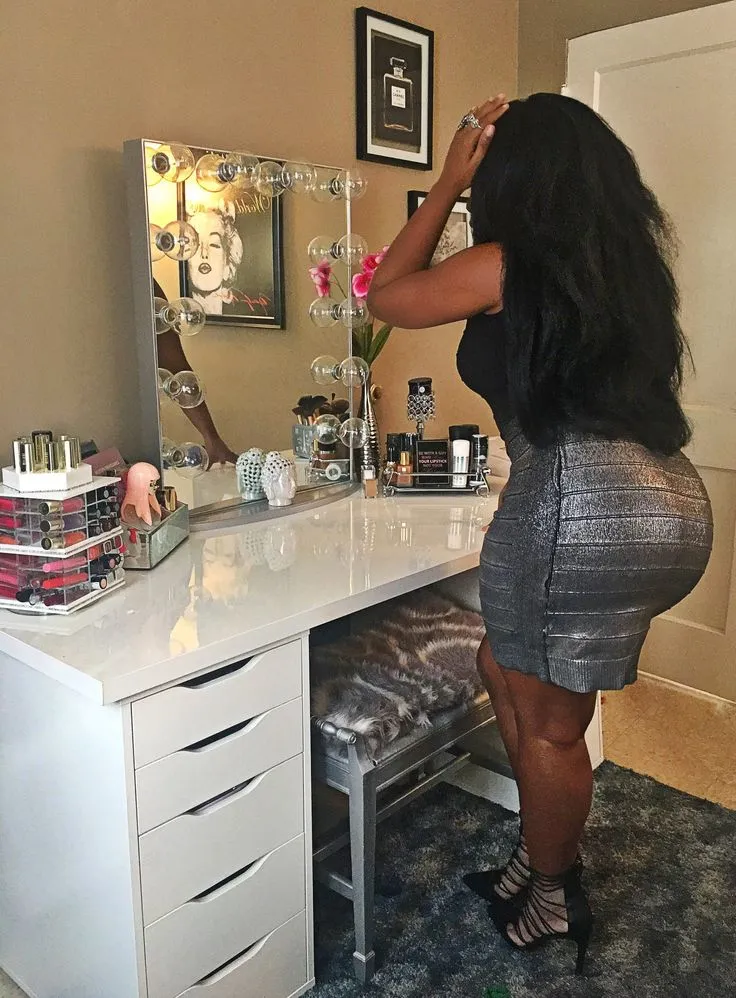
Photo: confident mature woman looking determined sitting at vanity mirror getting ready, via i.pinimg.com
Life Interrupted
It happens to everyone eventually. A health scare that sidelines you for months. A parent who needs full-time care. A divorce that flips your entire world upside down. For mature adult performers, these life events don't just disrupt a routine—they interrupt a career that's deeply personal, often public-facing, and tied to identity in ways that most outside the industry don't fully appreciate.
Coming back after a major life change isn't just about hitting record again. It's about figuring out who you are now, what you want to put out into the world, and whether the audience you built before is still there waiting. Spoiler: they often are. But getting back to them takes more than just showing up.
The Psychological Weight Nobody Talks About
One of the biggest hurdles mature performers face when returning isn't technical—it's mental. Self-doubt creeps in fast. Questions like Am I still relevant? Has my body changed too much? Will fans even remember me? have a way of becoming louder the longer someone has been away.
What's interesting is that this kind of doubt doesn't discriminate based on how successful someone was before they left. Performers who had massive followings, consistent income, and years of confidence under their belts report the same anxious spiral when they try to re-enter. The gap in time—whether it's six months or two years—has a way of making everything feel like starting from scratch.
The performers who navigate this most effectively tend to do one thing differently: they treat the doubt as information rather than truth. Feeling uncertain doesn't mean you're not capable. It means you're human, and you've been through something real. That reframe—from weakness to evidence of lived experience—is often the first psychological shift that makes a comeback possible.
Practical Realities of Getting Back in the Game
Beyond the mindset work, there are real logistical challenges that come with a return. Platforms change. Algorithms shift. The content landscape that existed when you left might look noticeably different when you come back. Mature performers who've navigated re-entry successfully tend to approach this like any professional would after a gap in any career: with research, patience, and a willingness to update their skill set.
That might mean spending a few weeks just consuming content—watching what's performing well, noticing what's changed in audience preferences, and identifying where the gaps are that someone with genuine experience and authenticity could fill. It also means reconnecting with the community. Reaching out to other performers, checking in on forums and industry groups, and getting a feel for the current pulse of things.
On a more technical level, it's worth doing an audit of existing content and platforms. Are your profiles still active? Is your old content still working for you, or does it need to be refreshed with updated descriptions and tags? Small administrative tasks like these can feel overwhelming after a long absence, but they're also manageable—and completing them builds momentum.
Positioning the Return as Strength, Not Desperation
Here's where a lot of performers get it wrong: they come back apologetically. They treat the absence like something to explain away or minimize, when in reality, it's one of the most compelling stories they could tell.
Audiences—especially the ones drawn to mature performers—respond to realness. They're not looking for a polished PR spin. They want to know what happened, how it felt, and how you got through it. A performer who says, I took time away because my health required it, and here's what I learned about myself in the process, is far more magnetic than one who quietly reappears and hopes nobody noticed the gap.
The comeback itself can be the content. Not in a way that overshares or crosses privacy boundaries, but in a way that invites fans back in with honesty. A short video talking about being back. A written post that acknowledges the time away without dwelling on it. A live session where you answer questions and reconnect in real time. These kinds of touchpoints remind fans why they connected with you in the first place—because you're genuine.
Rebuilding Momentum Without Burning Out
One trap mature performers fall into after a long absence is overcompensating. They come back trying to produce at full volume immediately, making up for lost time with a flood of content. This almost always backfires. Quality drops, energy depletes, and the return that was supposed to feel triumphant starts to feel exhausting.
A smarter approach is a phased re-entry. Start with one or two pieces of content per week. Focus on connection over volume. Let your audience know you're back and that you're pacing yourself intentionally—because you've learned what sustainable looks like. Fans, particularly those who've been around long enough to know you, will respect that.
It also helps to set internal benchmarks rather than comparing against where you were before you left. Expecting to immediately match your previous income or engagement levels sets up an unfair competition with a version of yourself that existed under completely different circumstances. Instead, track week-over-week progress. Celebrate the small wins. A returning performer who gained fifty new followers in their first month back is doing something right—even if their old numbers were ten times that.
The Audience Is More Patient Than You Think
Perhaps the most reassuring thing mature performers discover when they return is that their audience hasn't forgotten them. In fact, in many cases, the absence has created a kind of anticipation. Fans who genuinely connected with a performer don't just move on the moment that person goes quiet. They check in. They wonder. They notice when someone comes back.
That loyalty is real, and it's earned through years of showing up authentically. The best thing a returning performer can do is honor it—not by pretending the gap didn't happen, but by acknowledging it and letting fans feel like they're part of the next chapter.
Because that's exactly what a comeback is. Not a return to what was. A beginning of what comes next.